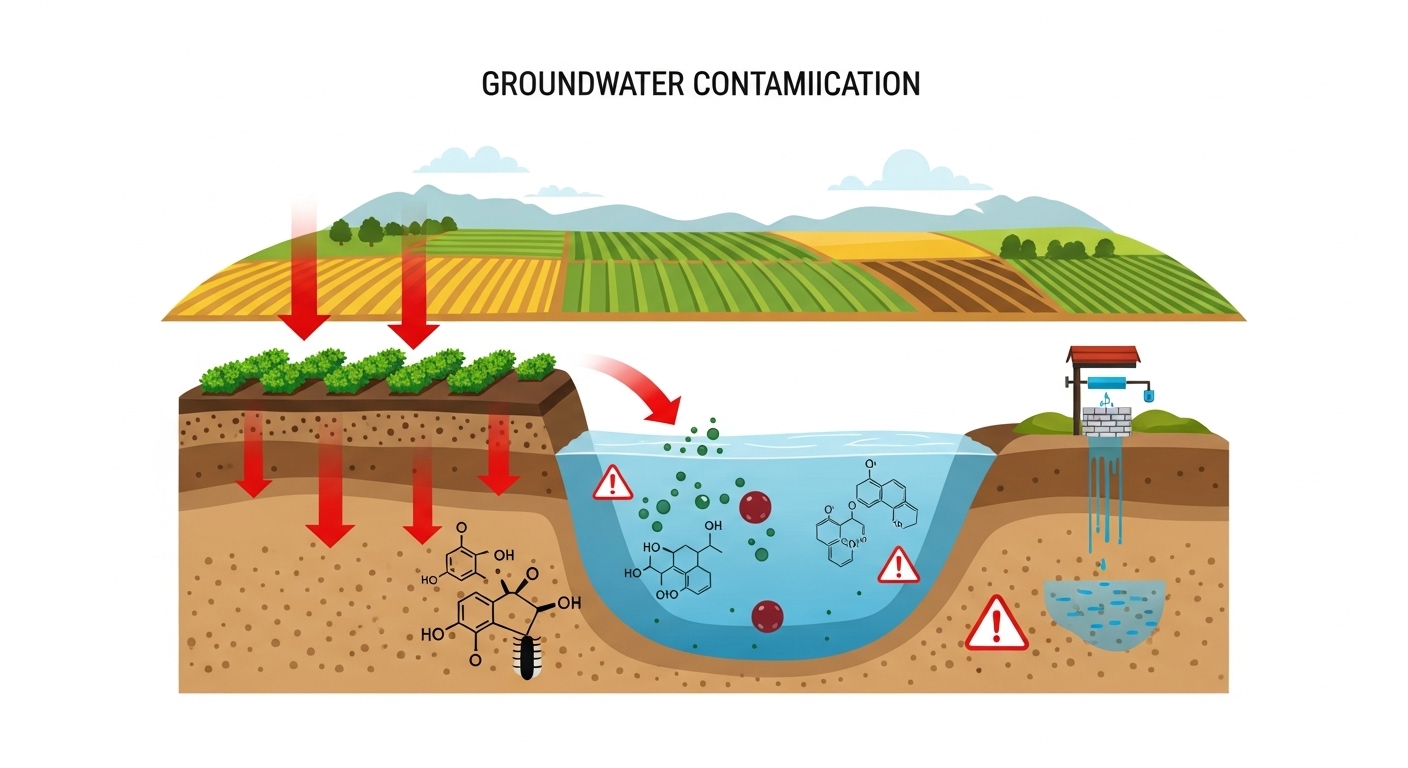
This study analyzed the agricultural and phytosanitary practices, the intensity of pesticide use, and the associated health risks to humans on 100 farms with a total surface area of 555 hectares in the irrigated Gharb plain, the Merja Zerga area, over the 2016–2018 period. Information on the pesticides, active substances, application patterns, and amounts used was collected from questionnaires sent to farmers and surveys of 71 retailers of pesticides. Phytosanitary pressure was assessed using the Treatment Frequency Index (IFT), comparing applied and recommended doses, whereas health risk to applicators was assessed using the IRTH indicator (considering toxicity, formulation, and application method) through the OLYMPE platform.
The survey identified 109 types of pesticides (containing 77 active ingredients), of which fungicides were the most abundant, representing 50%. A remarkably high mean application rate of 13.6 kg/ha was recorded, totaling 7569.8 kg, of which the largest portion was fungicides. Banana cultivation, which represented just 8% of the area cultivated, presented the highest application rate of 47.5 kg/ha and an IFT of 38. In contrast, citrus and avocado crops presented the highest IRTH values of 6269.5 and 6076, respectively, indicating high risk to applicators. Tomato cultivation also presented high pesticide pressure (IFT=11) together with a significant applicator risk (IRTH=4931).
Conversely, export-oriented crops like strawberries and raspberries exhibited substantially lower application rates, IFTs (≈5), and applicator health risks (raspberry IRTH=283.5). These findings highlight the urgent need to promote sustainable agricultural practices, especially Integrated Pest Management (IPM), for high-input crops destined for the domestic market to mitigate environmental and health issues.