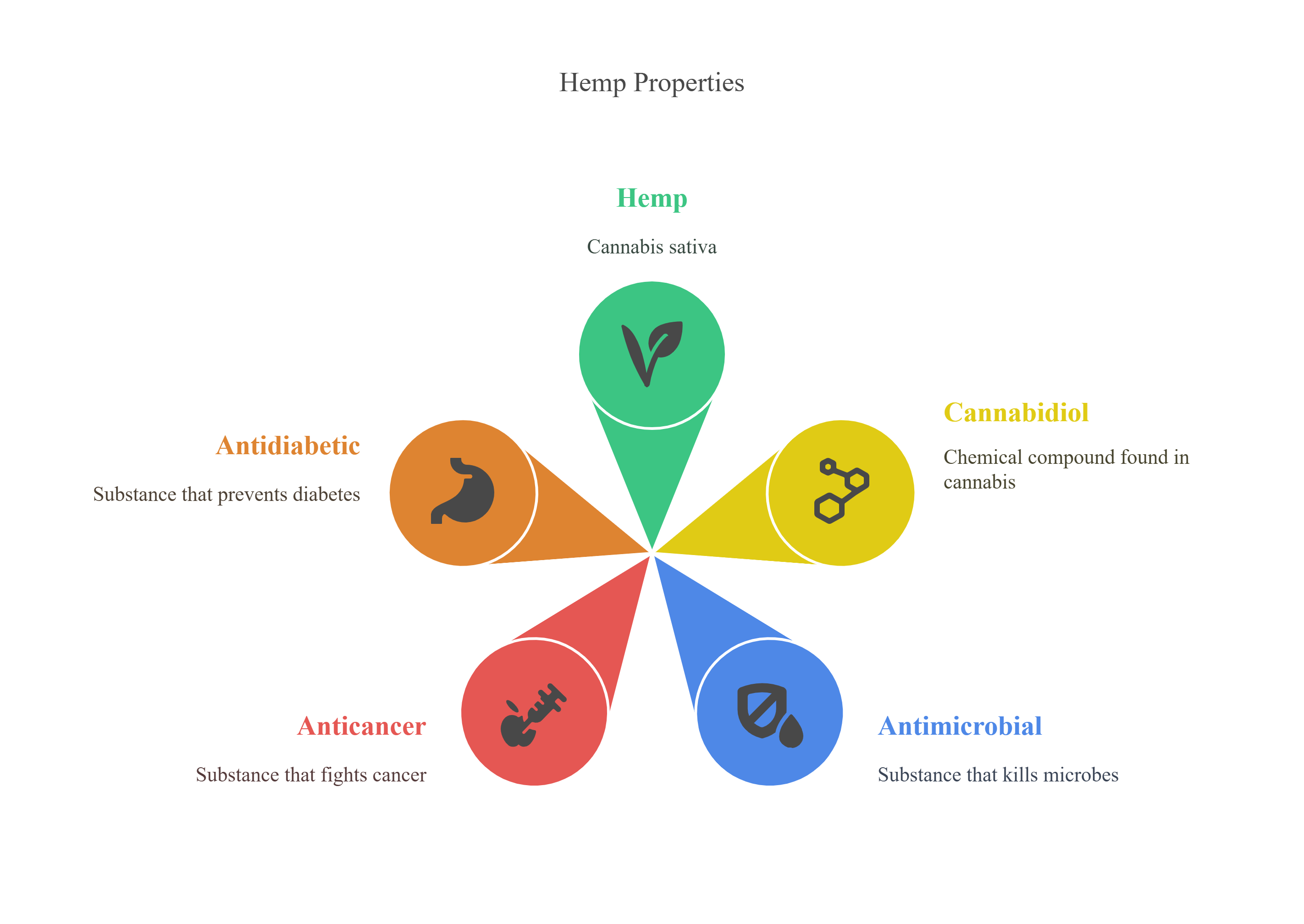
Hemp (Cannabis sativa L.) is a medicinally important species that grows worldwide in a wide range of climatic conditions. Hemp contains various bioactive compounds/phytochemicals such as terpenes, flavonoids, fatty acids, and sterols, which enhance its pharmacological properties. Hemp-based medicine has been found effective against post-traumatic stress disorder, cancer, AIDS, sclerosis, anxiety, depression, inflammation, epilepsy, Tourette syndrome, and sleep disorders. In the current review of literature, approximately 100 bioactive chemicals were identified from research papers that have been published. All recovered compounds were assessed independently for their toxicity, and 18 of them were found to be exceptionally bioactive and had no harmful effects. Furthermore, this overview of literature will reveal LD50 values for the extremely bioactive compound, which could potentially be implemented later on as potential therapeutic agents against cancer receptor proteins, cardiovascular disease, antidiabetic, respiratory diseases, and gastro-intestinal problems through an in-silico approach. The present review aims to explore the hemp bioactive metabolites which serve as a potential candidate for treating number of serious diseases.